
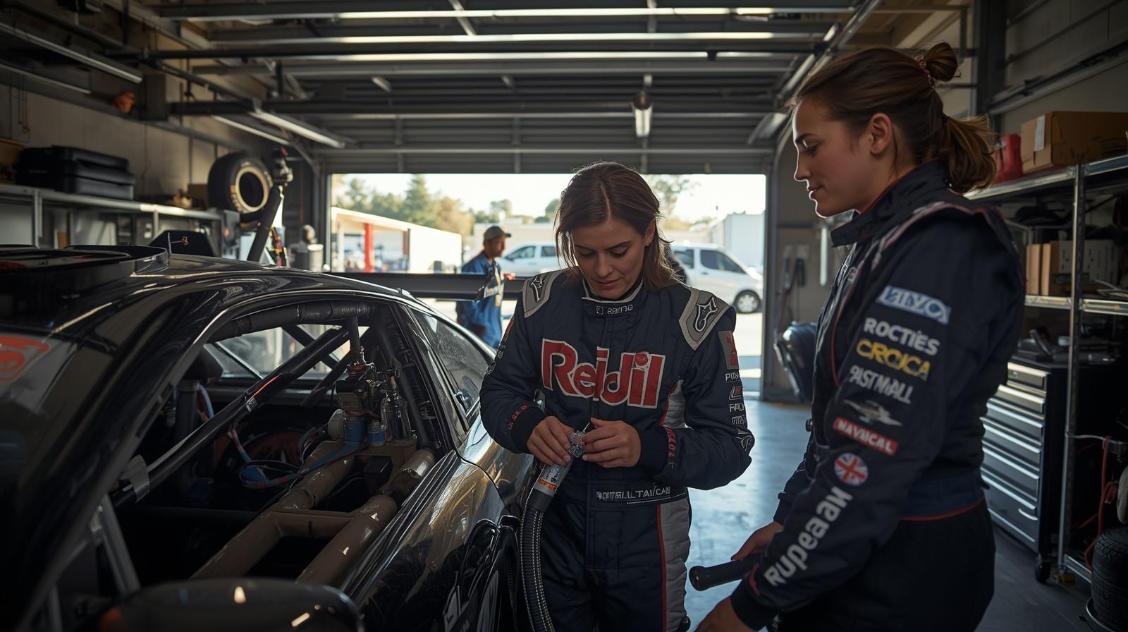
For years, the gap between amateur and professional racing teams came down to more than just driver skill. Professional organizations had better equipment, more refined engineering, stronger pit crews, and faster ways to react under pressure.
Smaller grassroots teams often relied on improvisation and creativity just to stay competitive. Lately, though, AirTAC solenoid valve systems have started drawing attention inside local racing garages and amateur pit crews.
At a recent racing event outside Manila, one mechanic quietly summed up the mood around the paddock. “We still don’t have millionaire budgets, but our response times are finally getting sharper.”
It was a simple comment, but it reflected a growing shift in grassroots motorsport. Smaller teams are becoming more disciplined, more technical, and far more strategic than they were a decade ago.
Racing Is Becoming More Technical
Modern track racing depends heavily on airflow, cooling efficiency, and precise mechanical coordination. Even small inconsistencies in pressure control or airflow management can affect reliability during long sessions on the track.
In the past, many amateur teams relied on improvised setups or heavily modified secondhand components just to make things work.
That approach is slowly changing.
Affordable pneumatic systems and better control technology are becoming easier to access, even for smaller garages. Instead of focusing only on horsepower upgrades, many teams are now paying closer attention to stability, responsiveness, and mechanical consistency.
One mechanic working beside a modified race car explained it in a very straightforward way: “The car feels calmer. Less hesitation. Fewer weird moments under pressure.”
Comments like that matter in amateur racing. Grassroots motorsport is not always about setting the fastest lap. Reliability often matters more. Finishing every lap cleanly without mechanical problems can decide whether a team progresses or falls behind.
A Different Racing Culture Is Emerging
The culture around amateur racing also feels different now. Younger builders entering the scene are arriving with more technical curiosity than before.
Many spend hours watching fabrication tutorials, studying industrial automation videos, or learning about pneumatic systems long before they even compete on a track.
That preparation is beginning to show in the way cars are being built.
Instead of chasing raw horsepower alone, teams are improving airflow management, pressure routing, cooling balance, and overall coordination between systems. Some amateur garages now approach race preparation with the same mindset seen in professional endurance racing teams.
At one local event, a young racer carried around a notebook filled with sketches about valve routing and pressure layouts. It looked more like material from an engineering class than a weekend racing meet.
Still, that enthusiasm spread throughout the garage area and gave people a glimpse of where grassroots motorsport may be heading.
A More Competitive Future for Amateur Teams
For decades, professional racing maintained a major advantage because advanced technologies were expensive and difficult to access. While that gap still exists, it is slowly becoming smaller.
No single component can instantly transform a local team into a professional operation, but smarter engineering choices can absolutely improve competitiveness.
The growing use of pneumatic control systems shows that amateur teams are beginning to think beyond simple speed upgrades. Cars are becoming more stable, more adaptable, and more reliable under racing conditions.
Could these innovations help amateur teams move closer to professional standards? Possibly yes. Better technology alone will never replace talent or experience, but it can help smaller teams operate with greater precision and confidence.
Even discussions around practical garage preparation and essential tools needed for car maintenance and repair are becoming part of the broader evolution happening inside grassroots racing today.


